Cruising the Wachau Valley (World Heritage Wachau Cultural Landscape) to Melk – 26 September

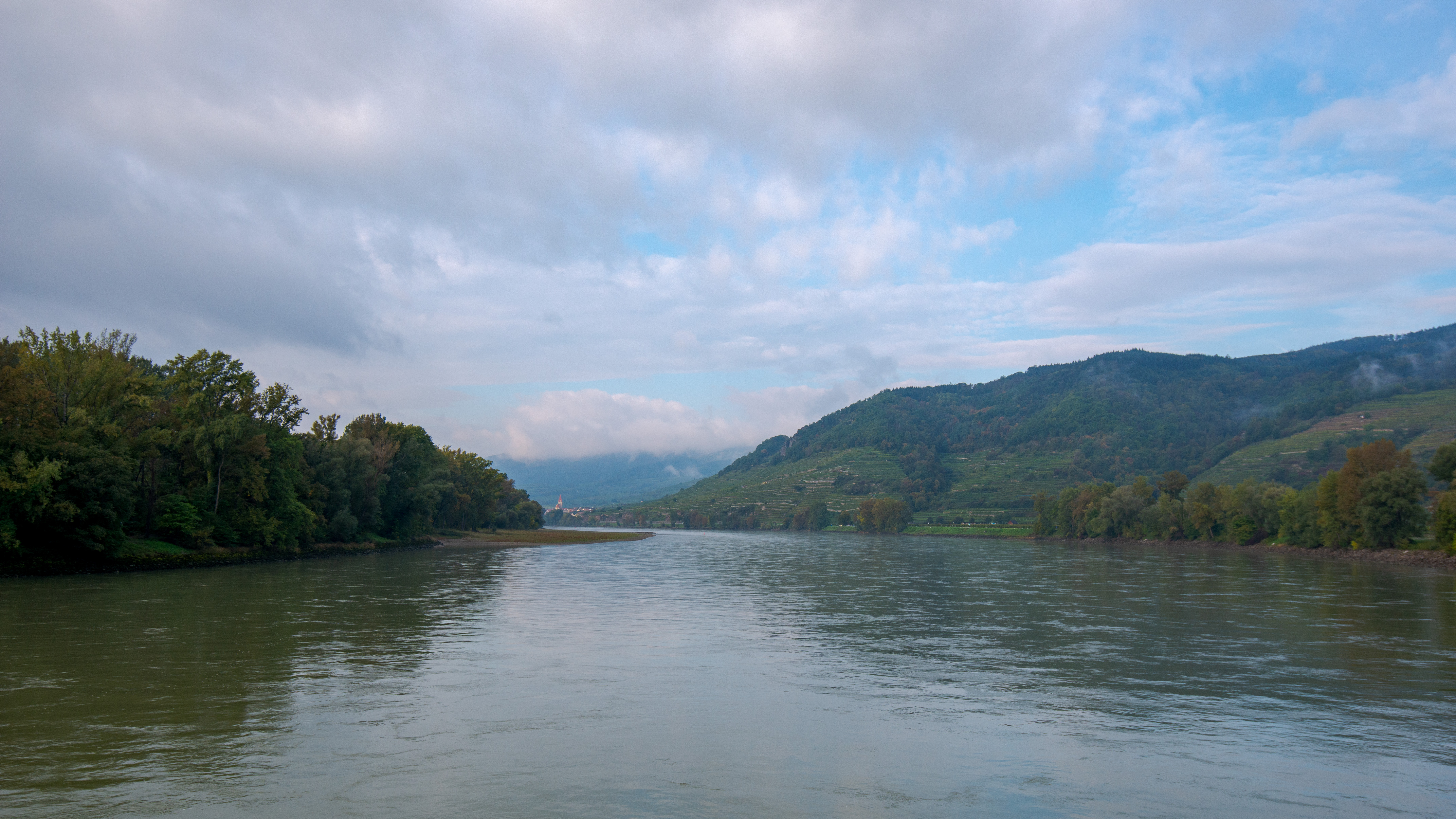
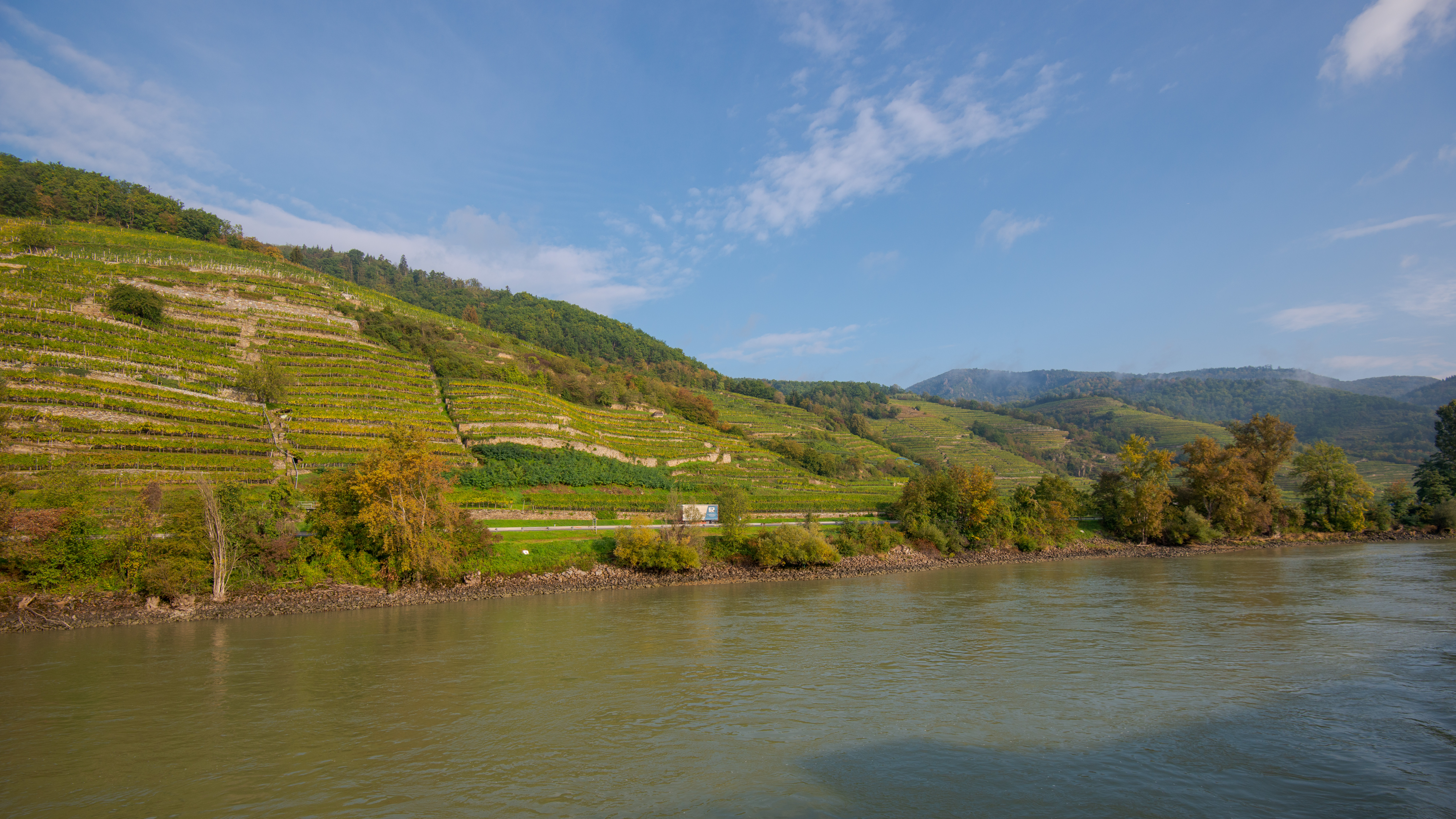
The Wachau Valley is a World Heritage listed cultural landscape featuring vineyards (first culivation 800CE), castle ruins (including that where Richard Coeur de Lion was incarcerated), towns and villages some dating to the middle ages and monasteries (who do you think grew the vines?)
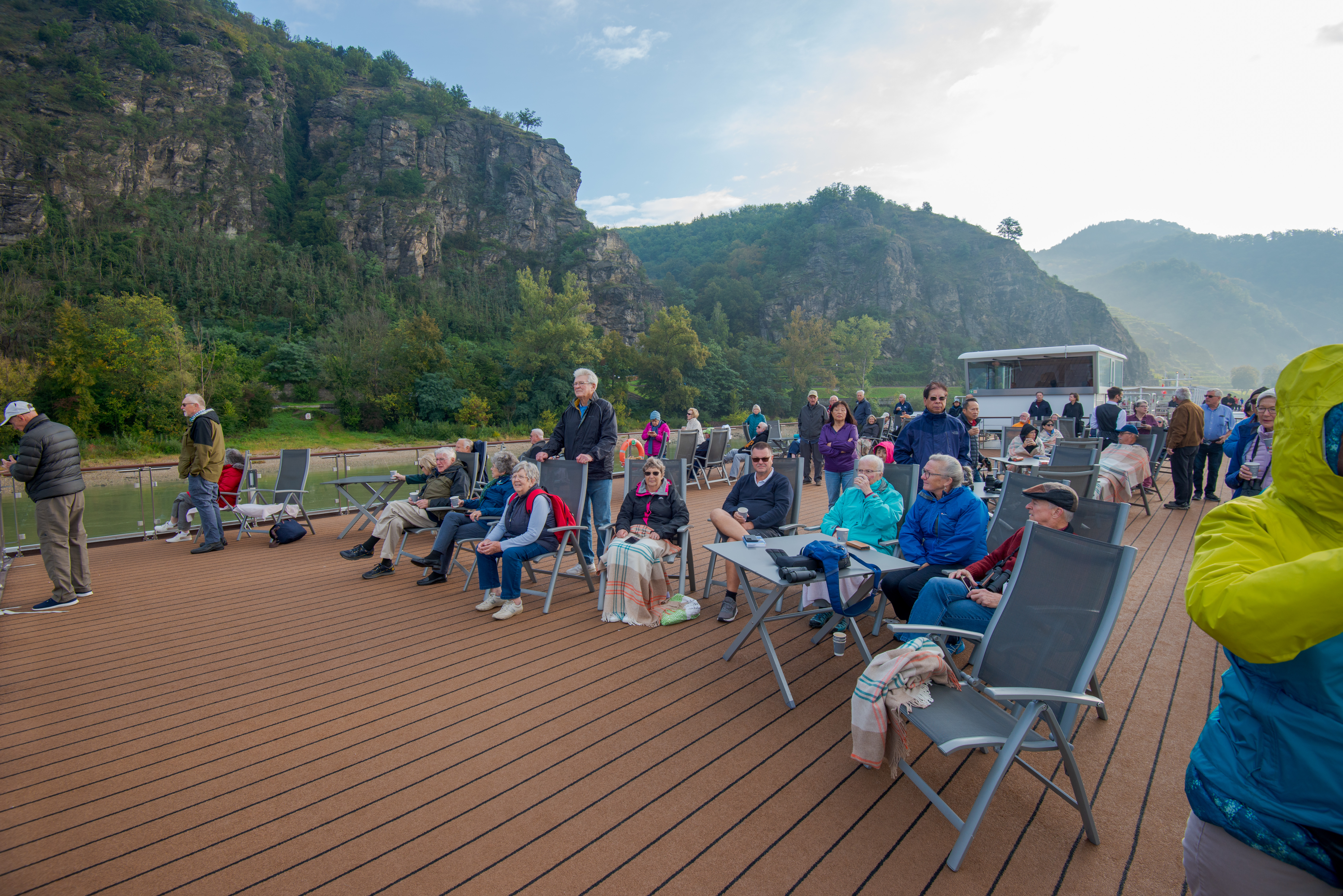
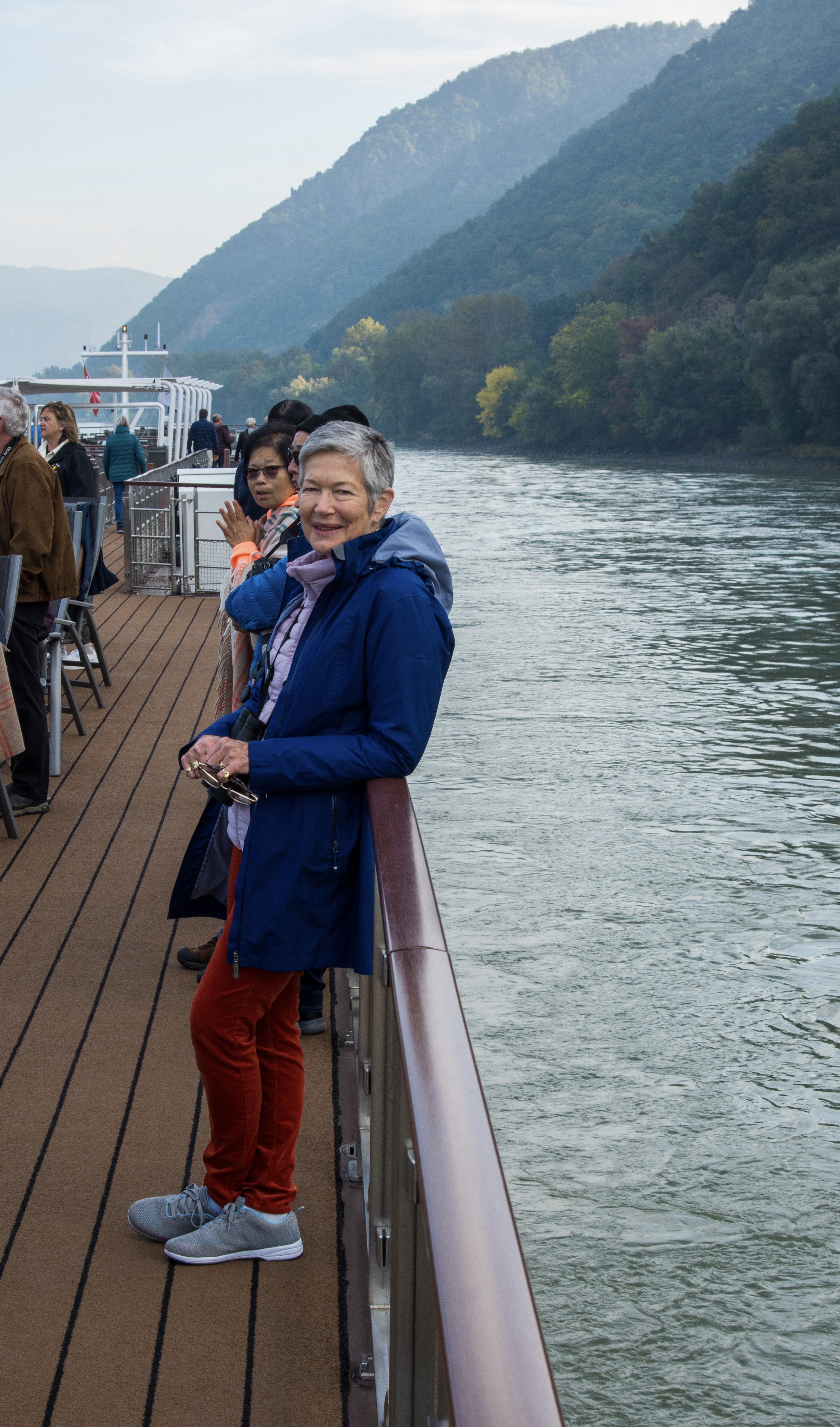
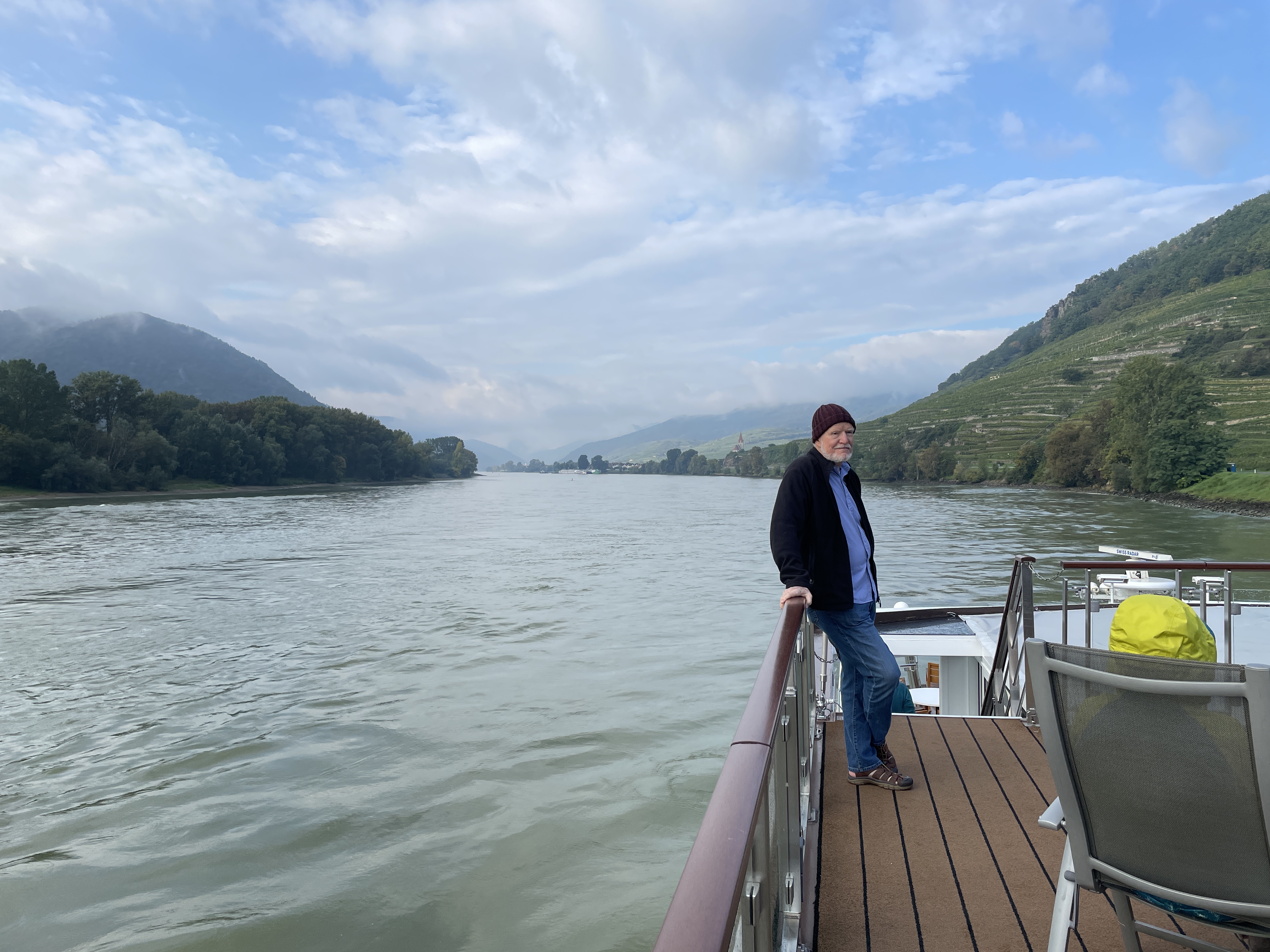
Yep – it is cold up here!
Colder for some than for others – probably 6 layers!
3 layers – protected only by pig headedness! The beanie was good though.
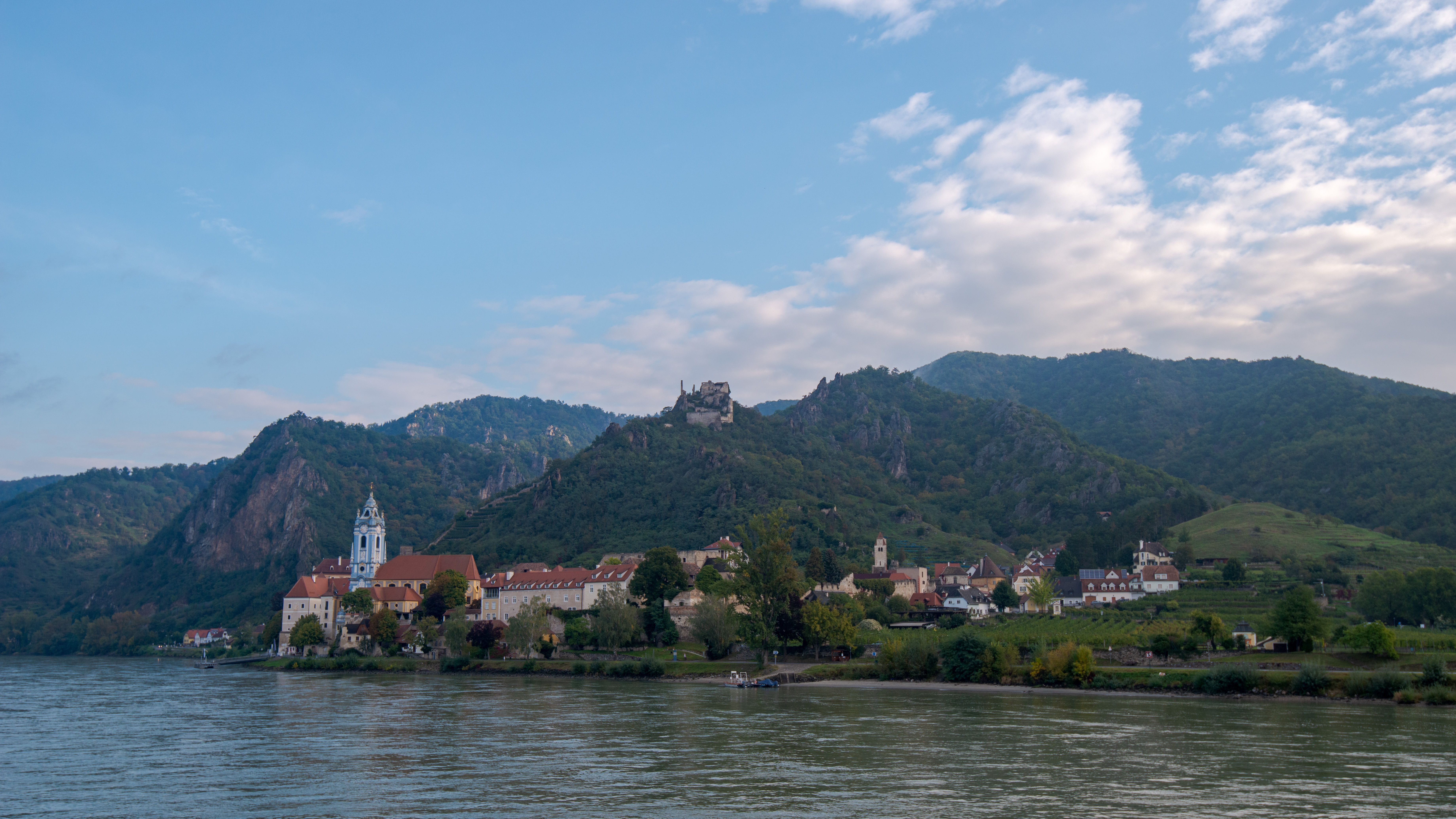
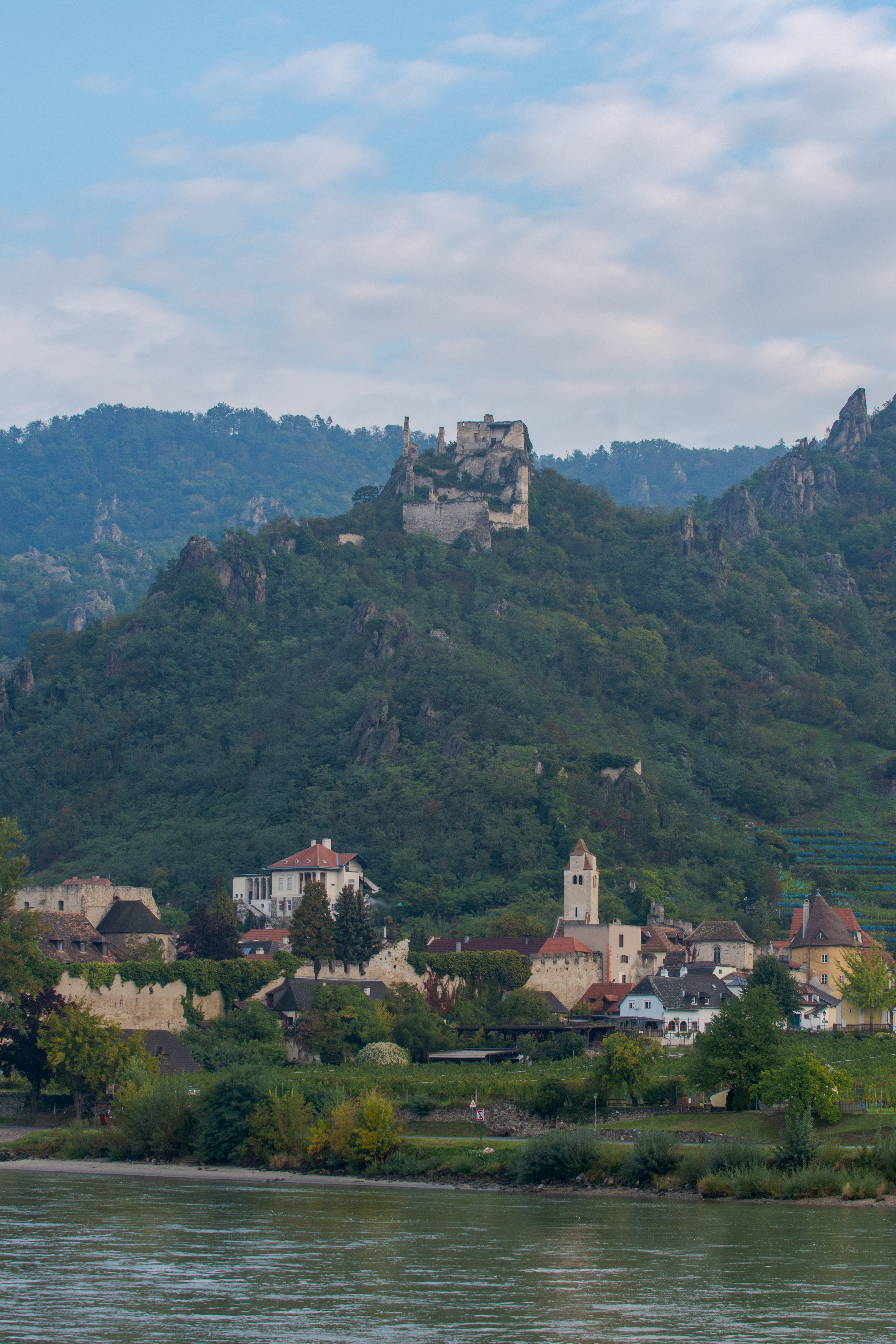
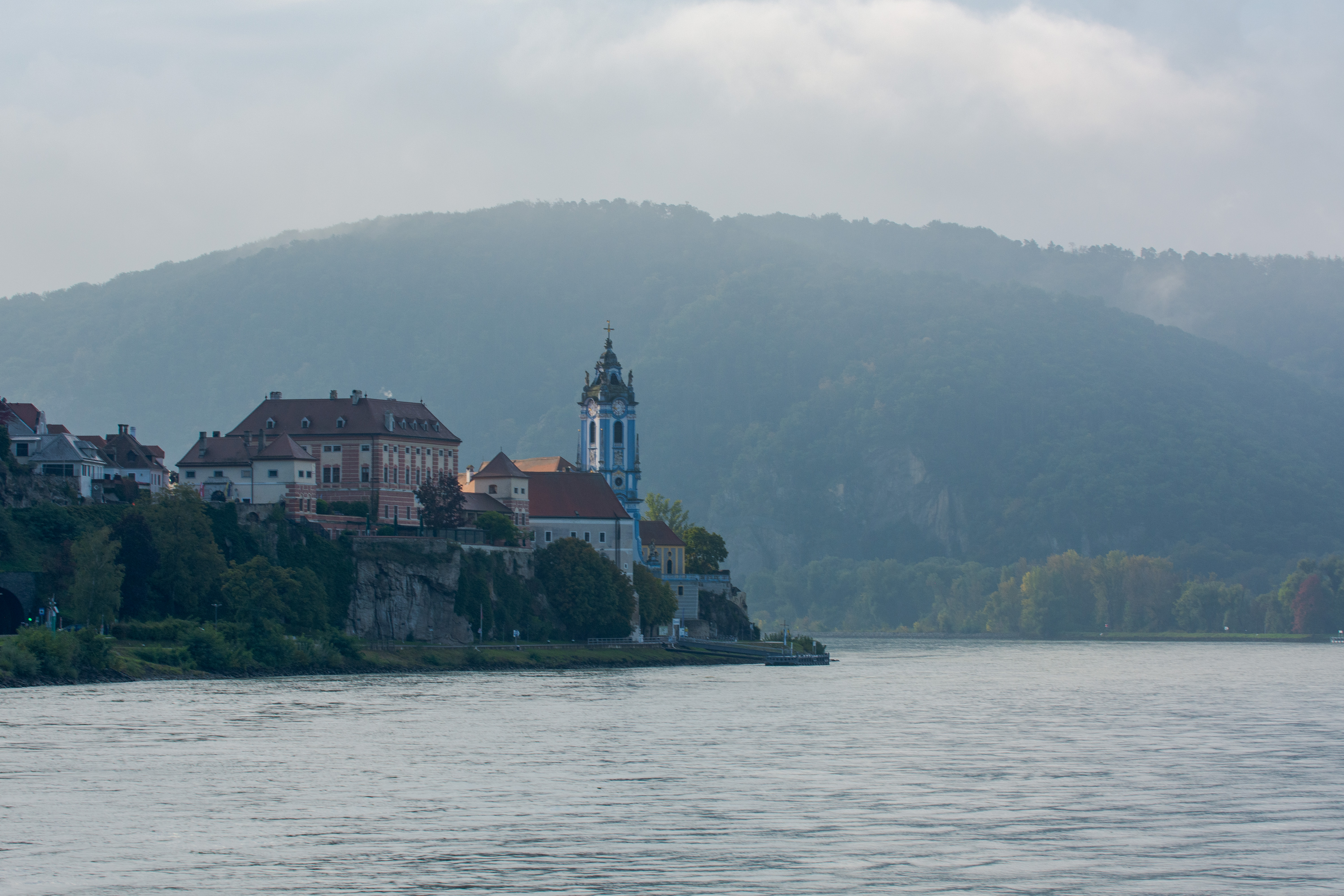
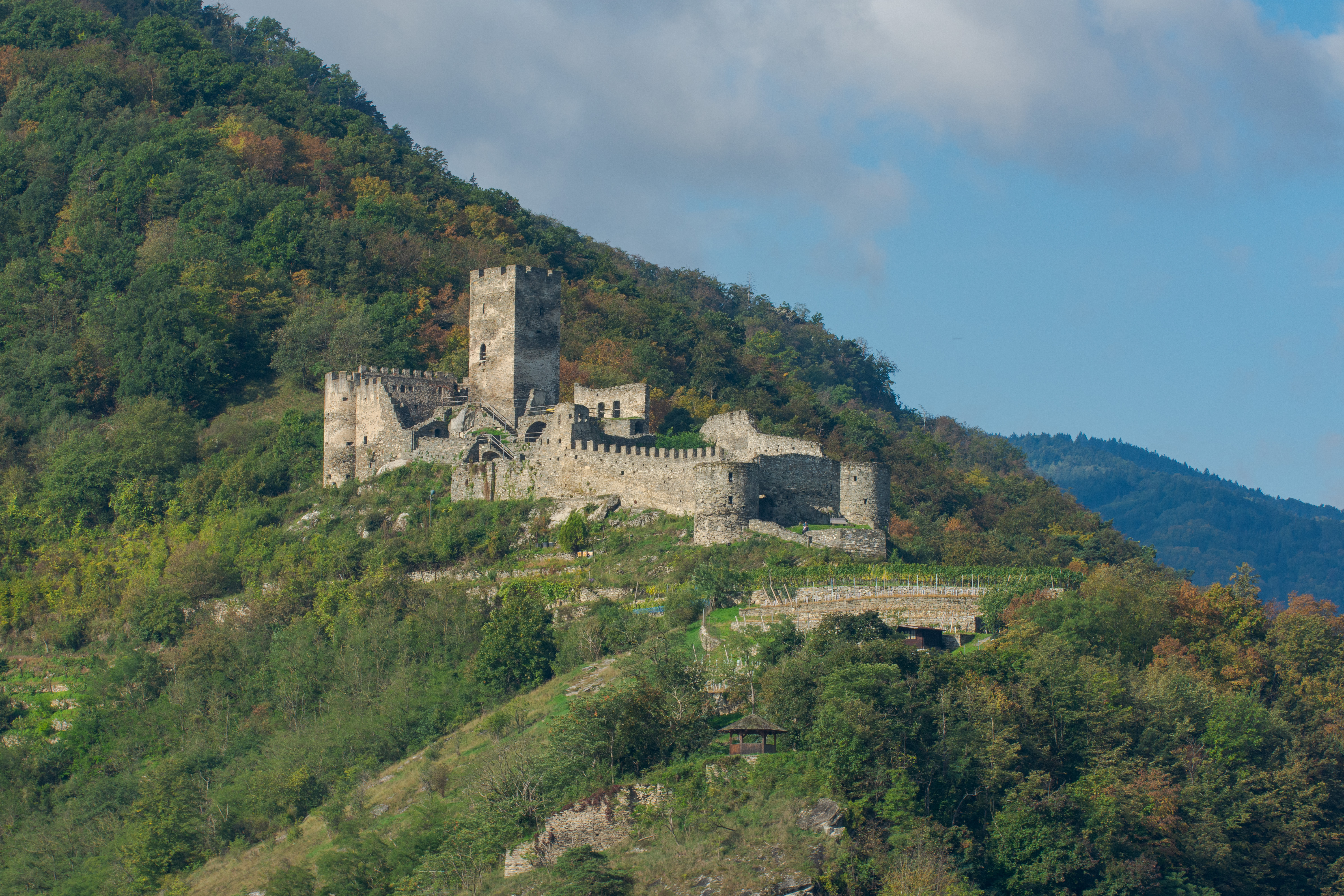
Dürnstein and ruins of castle in which Richard was held – silly bugger gave himself away while trying to return from the Crusades by tendering an English coin – or so the legend has it. Blondel his trusty manservant/troubadour wandered the length and breadth of Europe (some licence there) singing a ballad that only he and Richard knew. Beneath the walls of the Castle of Dürnstein Richard responded with the second verse and Blondel secured his release.
The reality is that a considerable ransom – 35 tons of silver – was demanded for his release . . . .
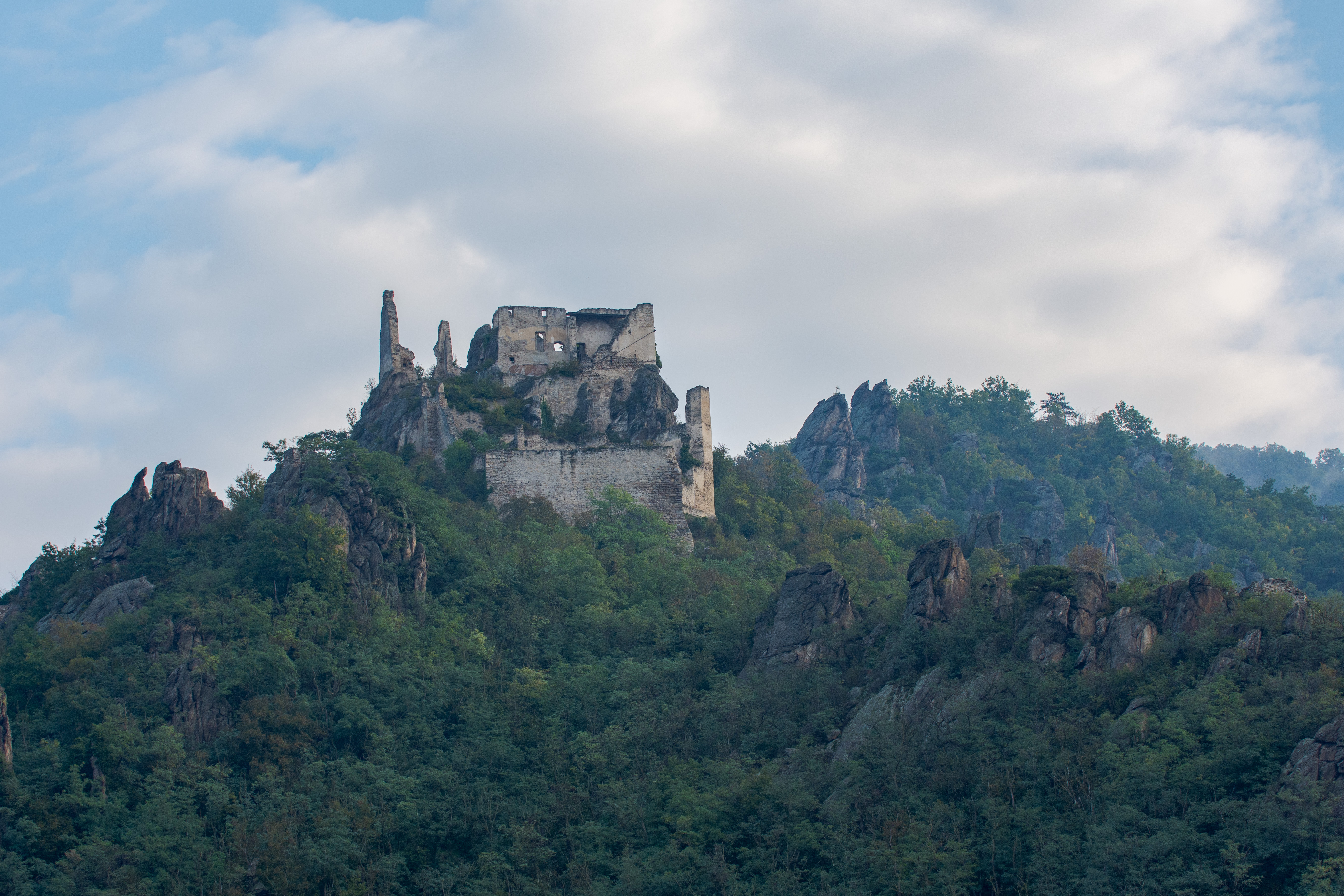
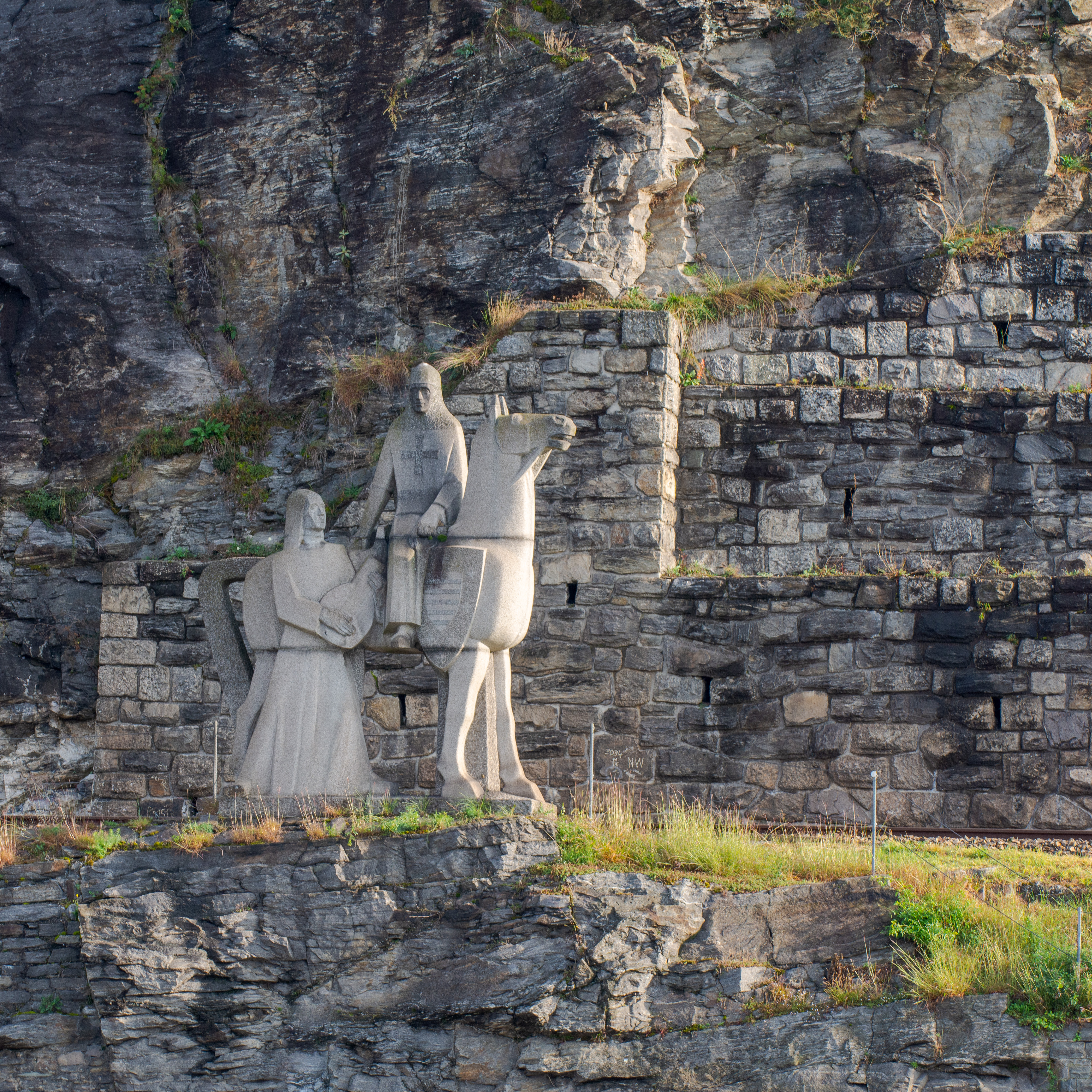
Richard and Blondel – great marketing.
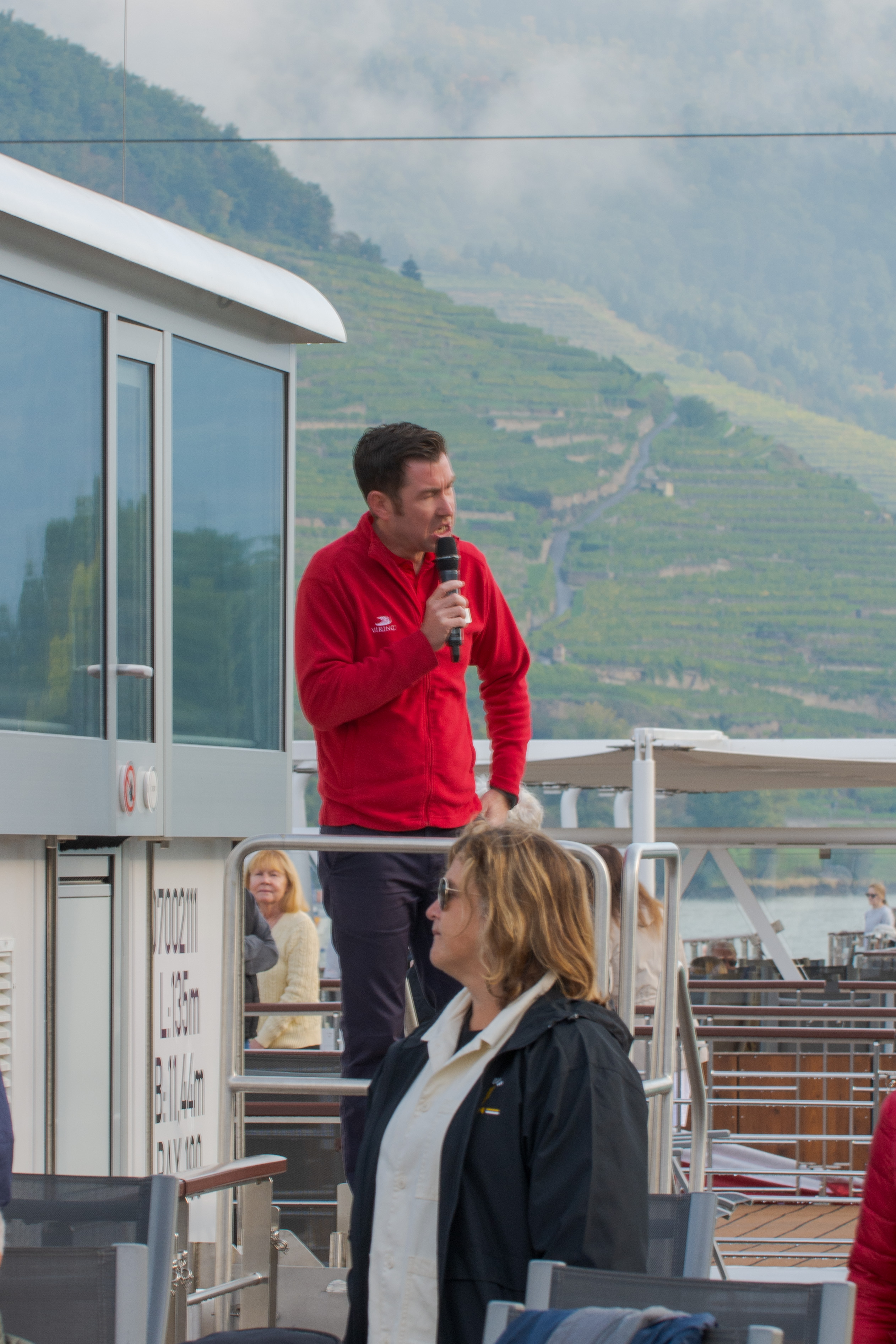
Kane – our very capable cruise director
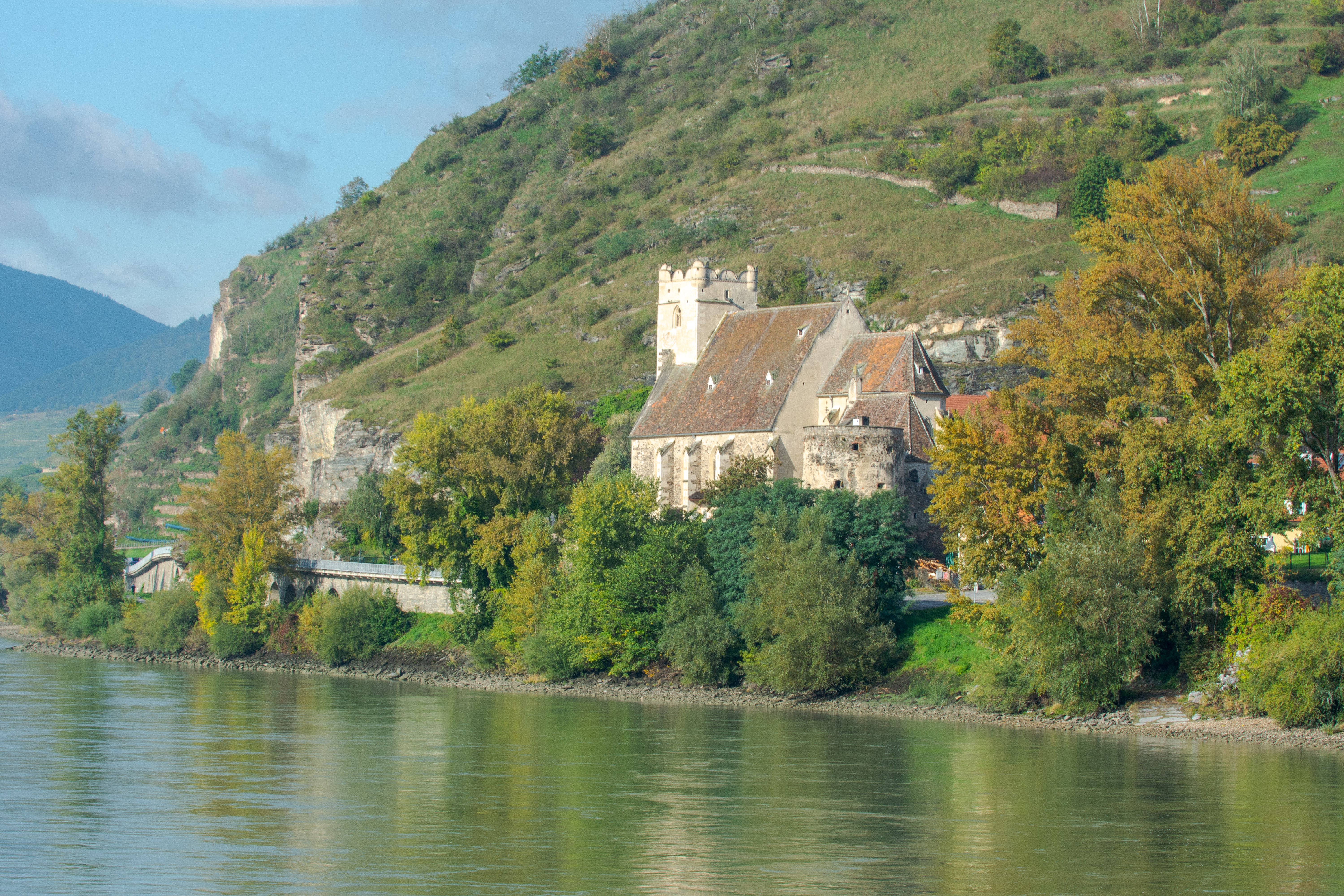
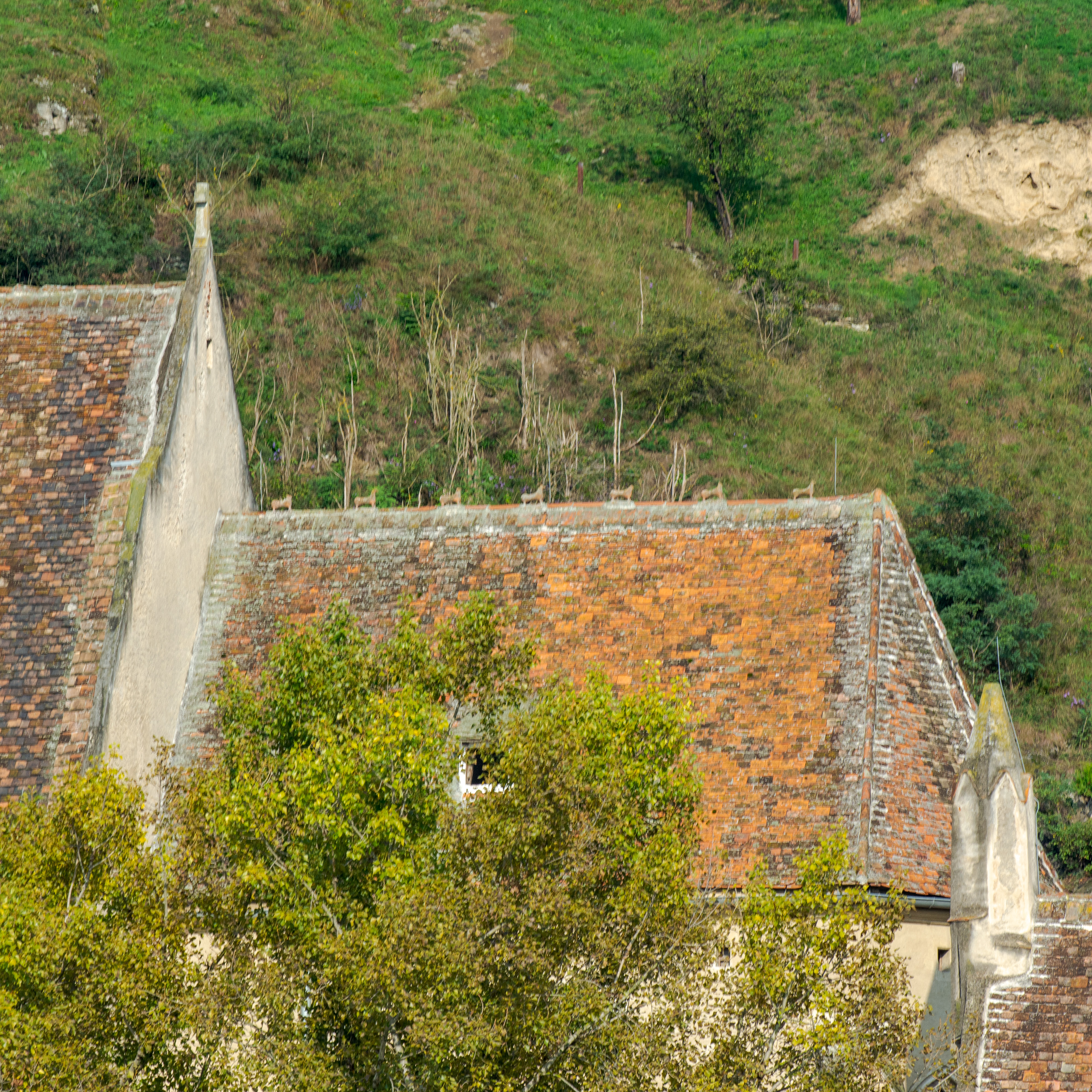
This church had little claim to fame except for the turreted steeple and 7 rabbits
Rabbits? Hmm – use your imagination . . . .
Stop and smell the roses . . .
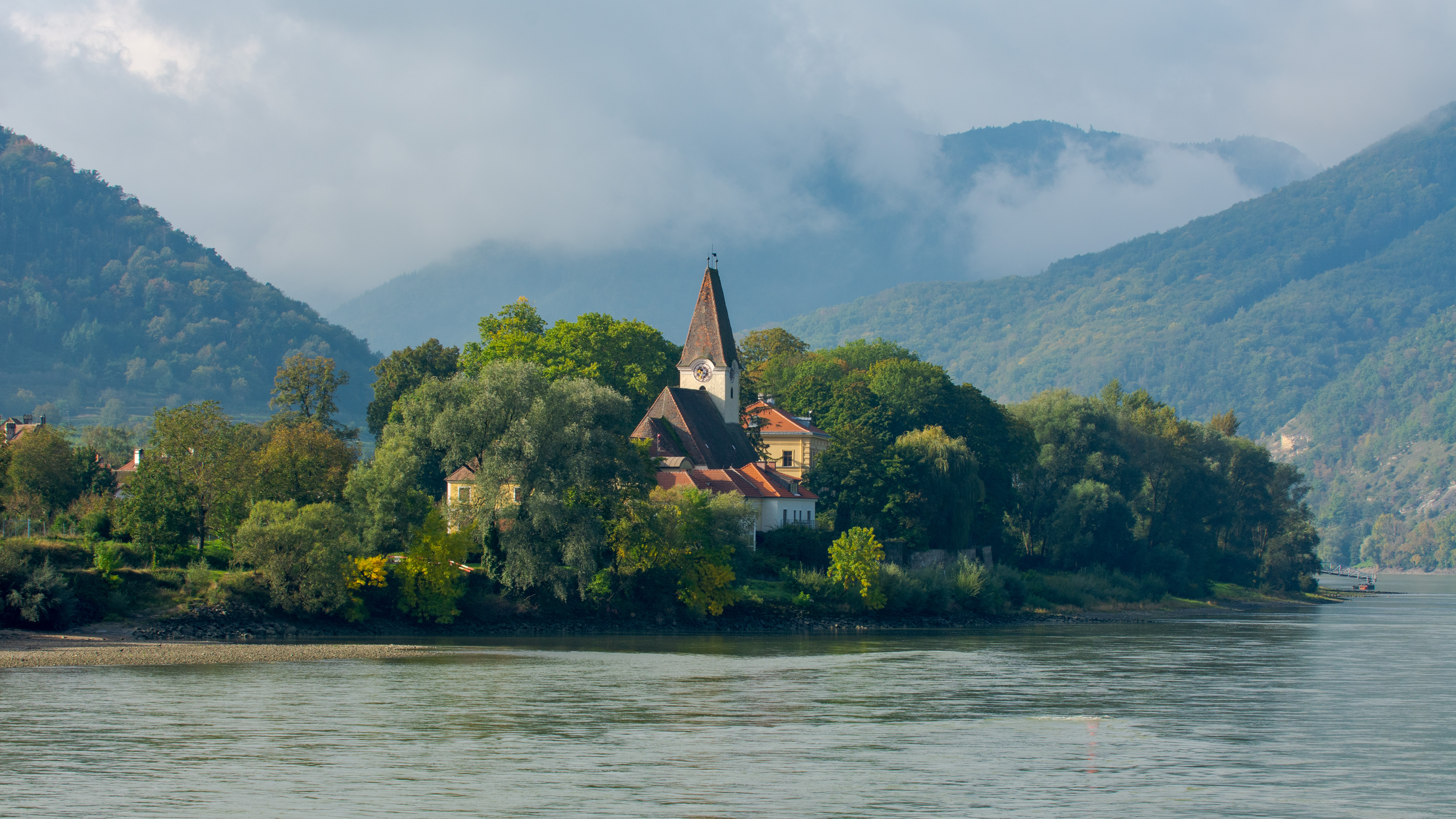
Just a pretty picture . . .
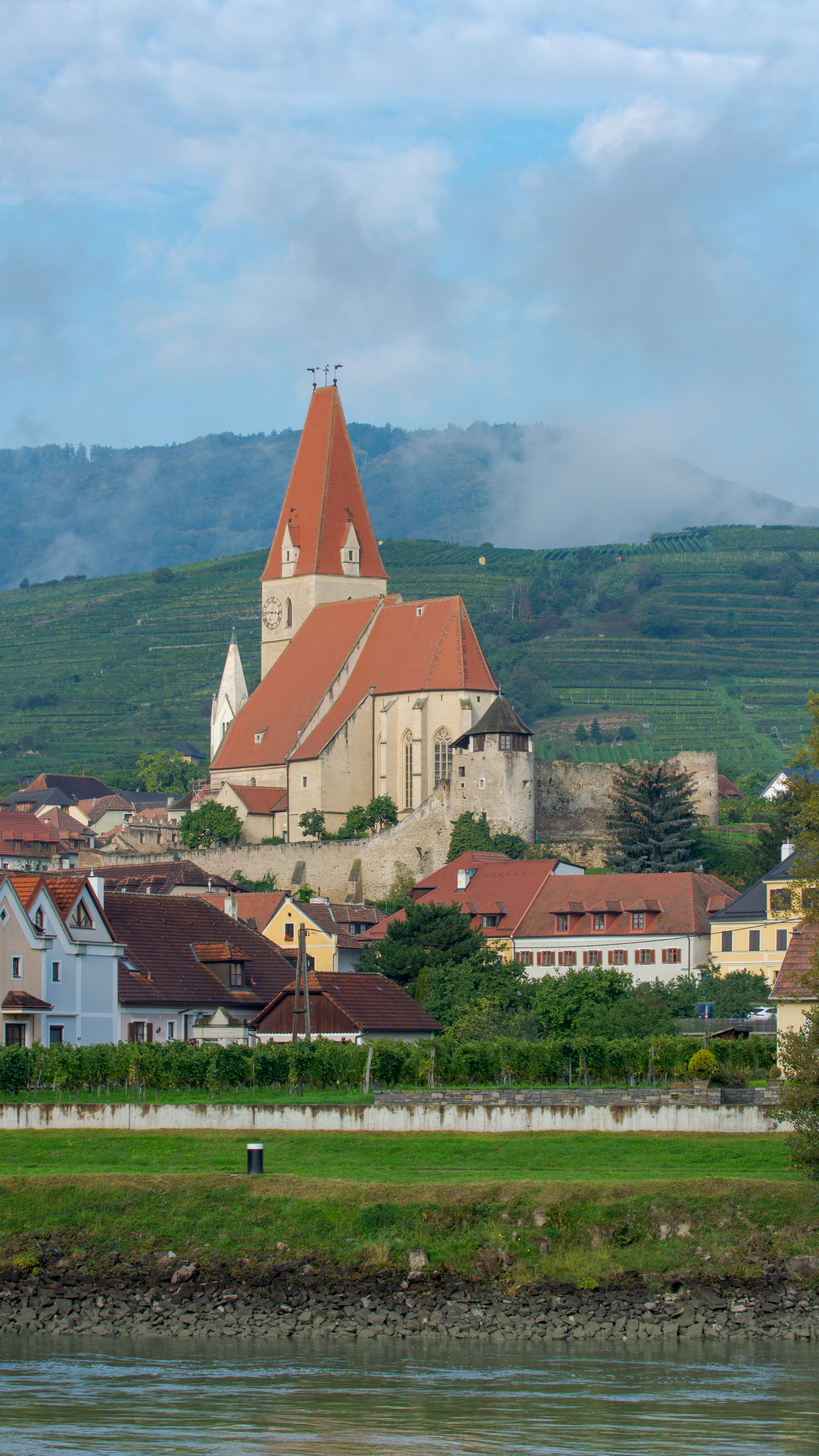
Weissenkirchen – this walled church was once white stone, like the little steeple at the front – time has weathered the stone, but the name remains attached to the village – White Church.
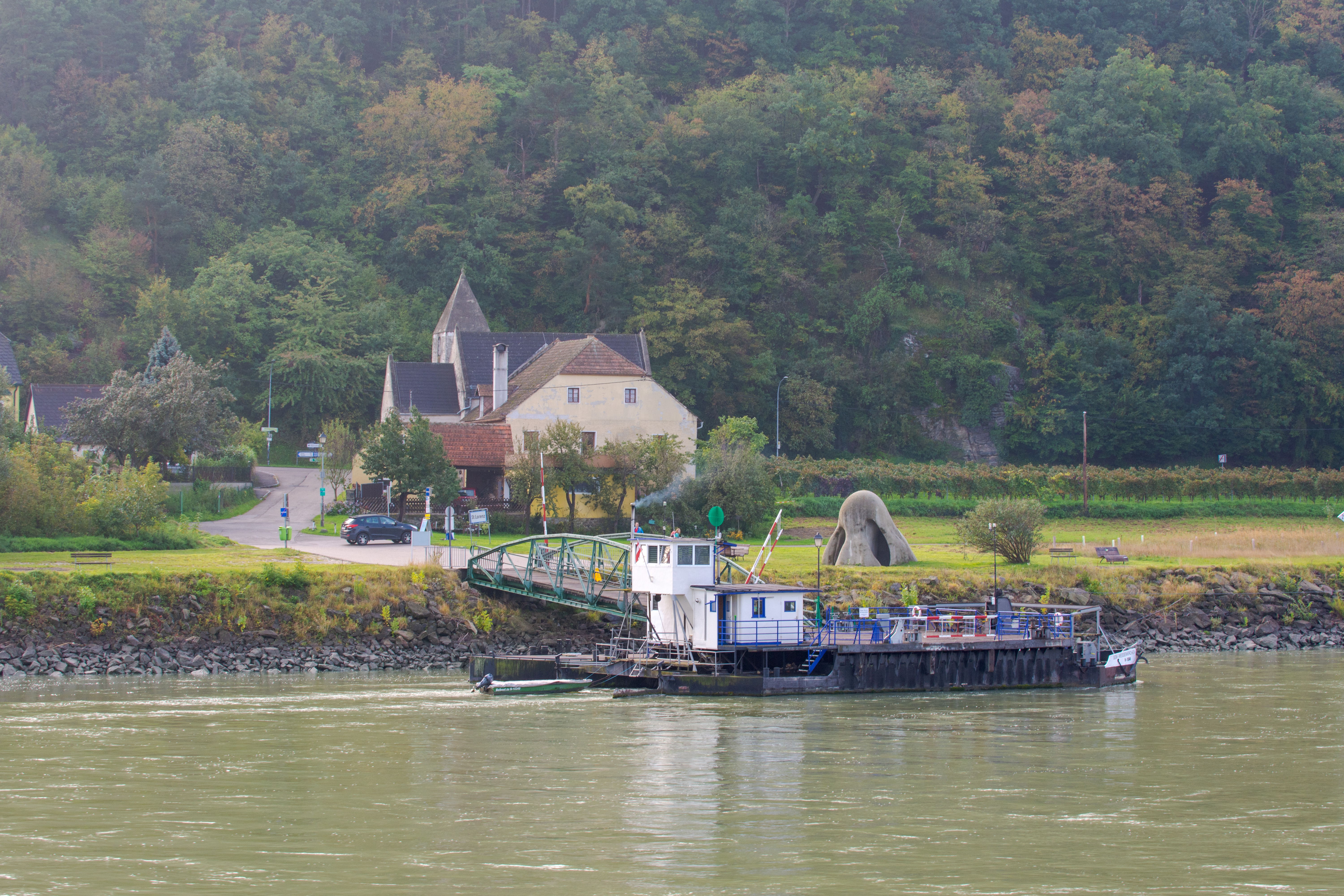
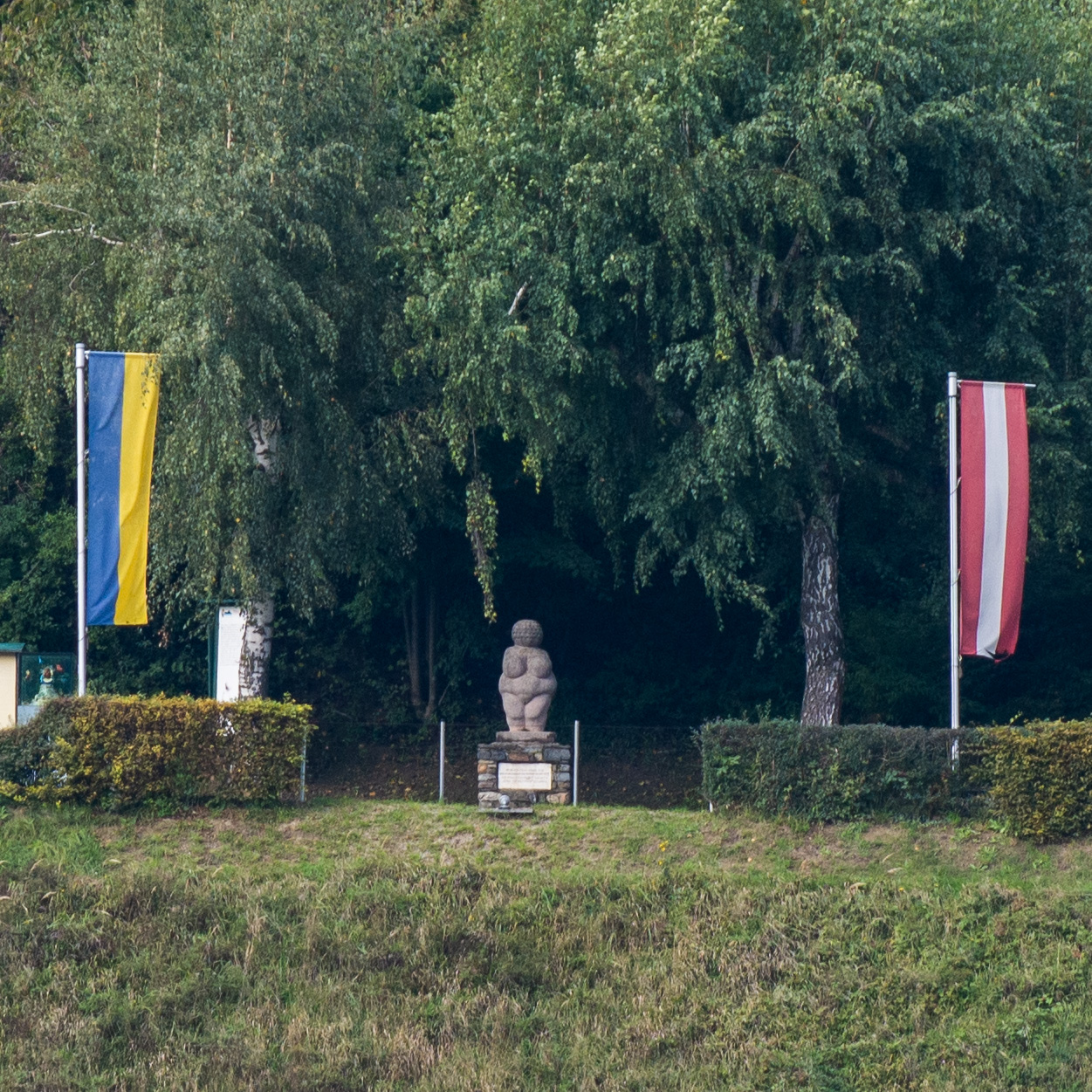
At Willendorf is erected a replica of the Woman of Willendorf – an 11cm sculpture discovered near here and dated to about 25-28 thousand years BCE

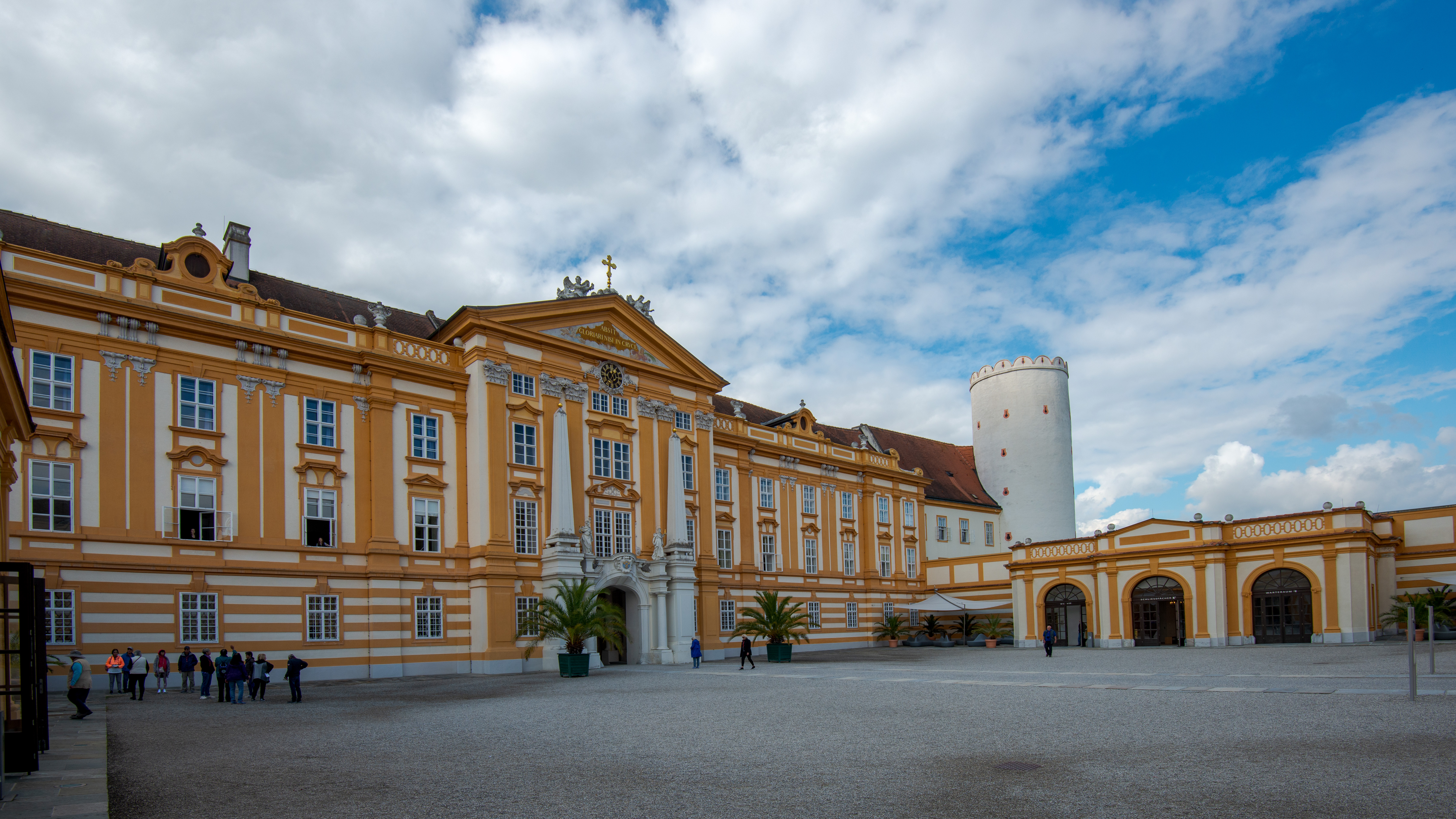
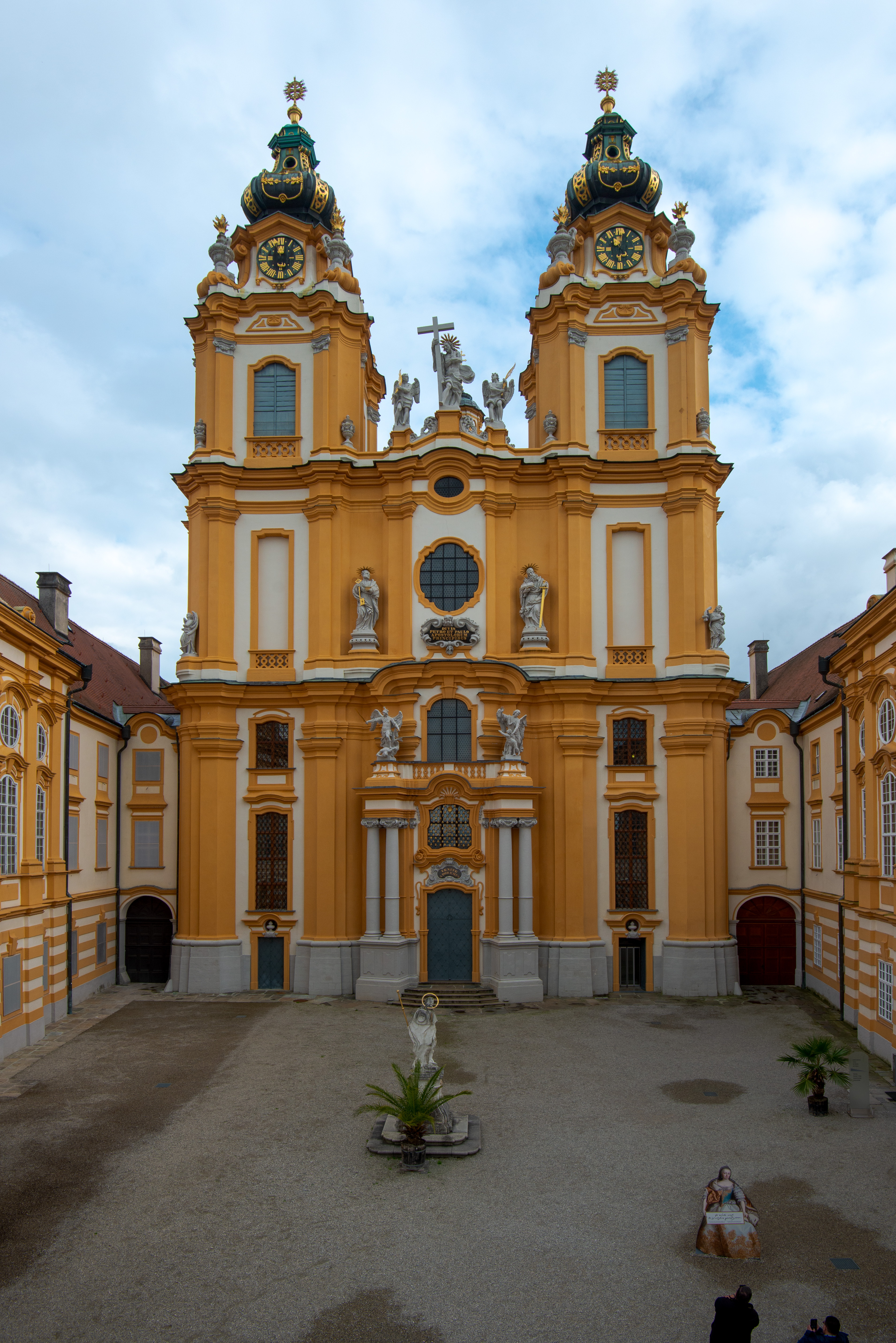
And we press on to the Stift Melk or Melk Abbey – the abbey dates from the 12thC but the buildings we see today date from 18thC with considerable restoration having been completed in the late 20thC. No inside photos, sadly,

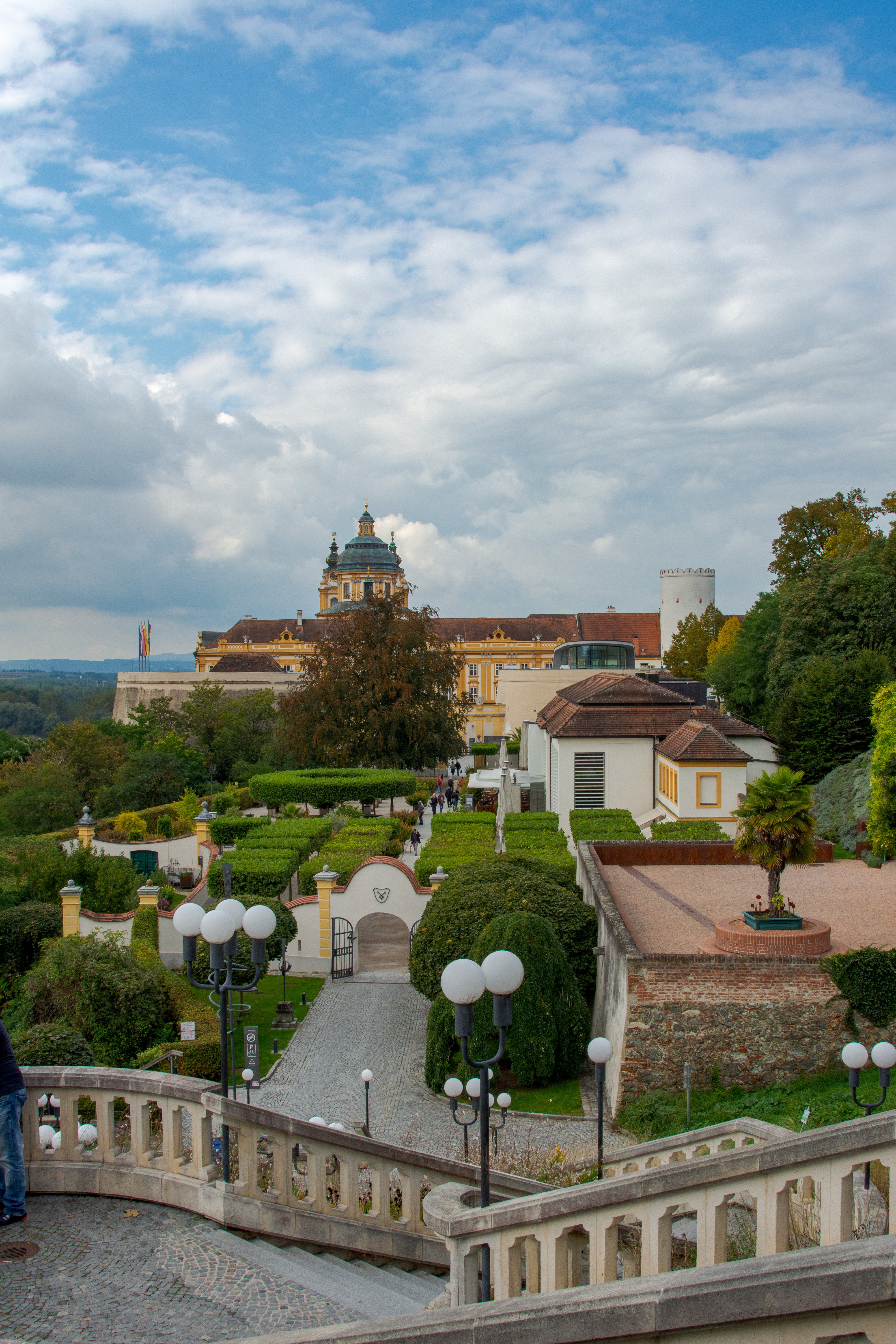
On the right the Marble Hall, to the left the library (and didn’t it smell of old books?!) and the church in the centre
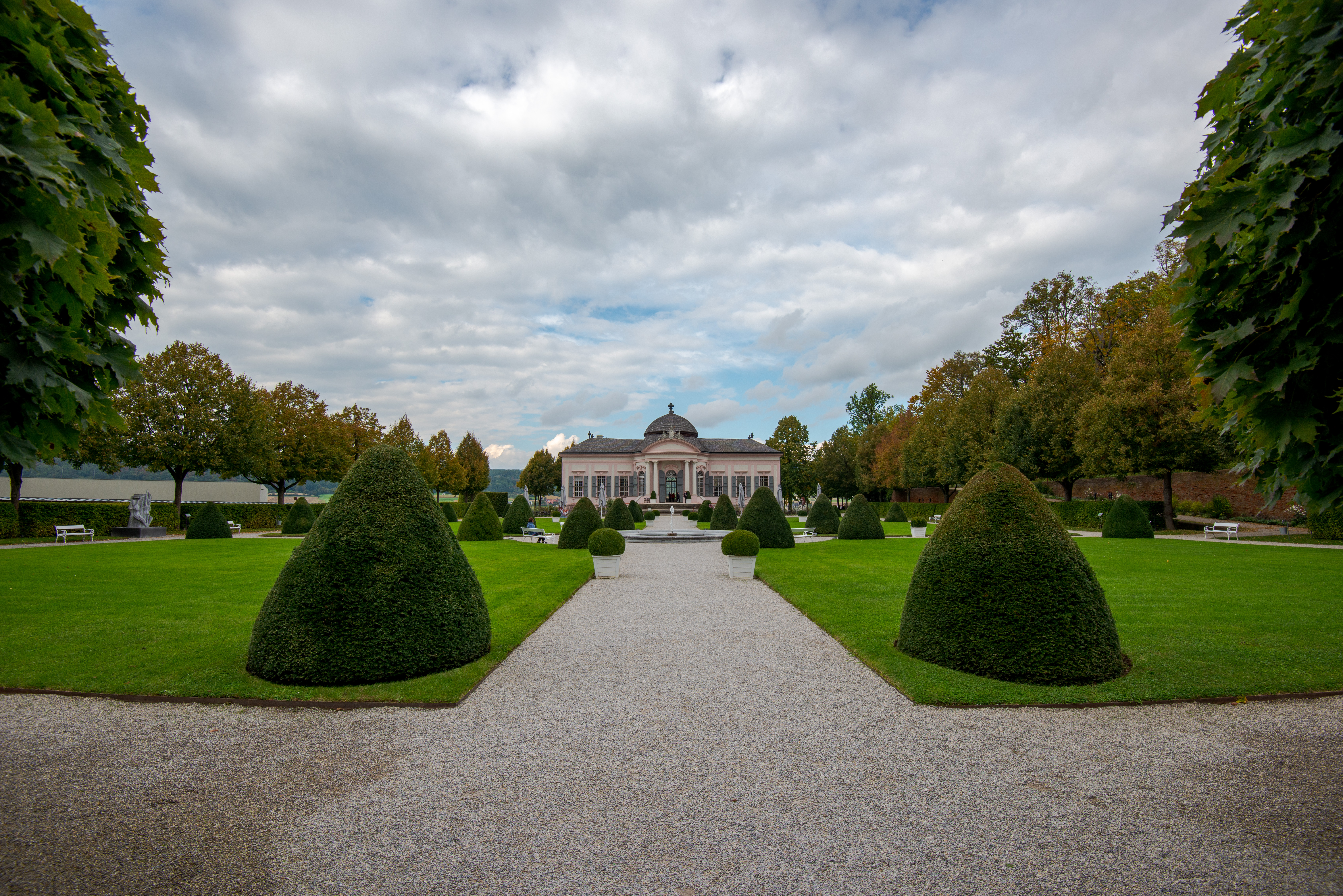
Some of the gardens and pavillion – in the form of an orangerie
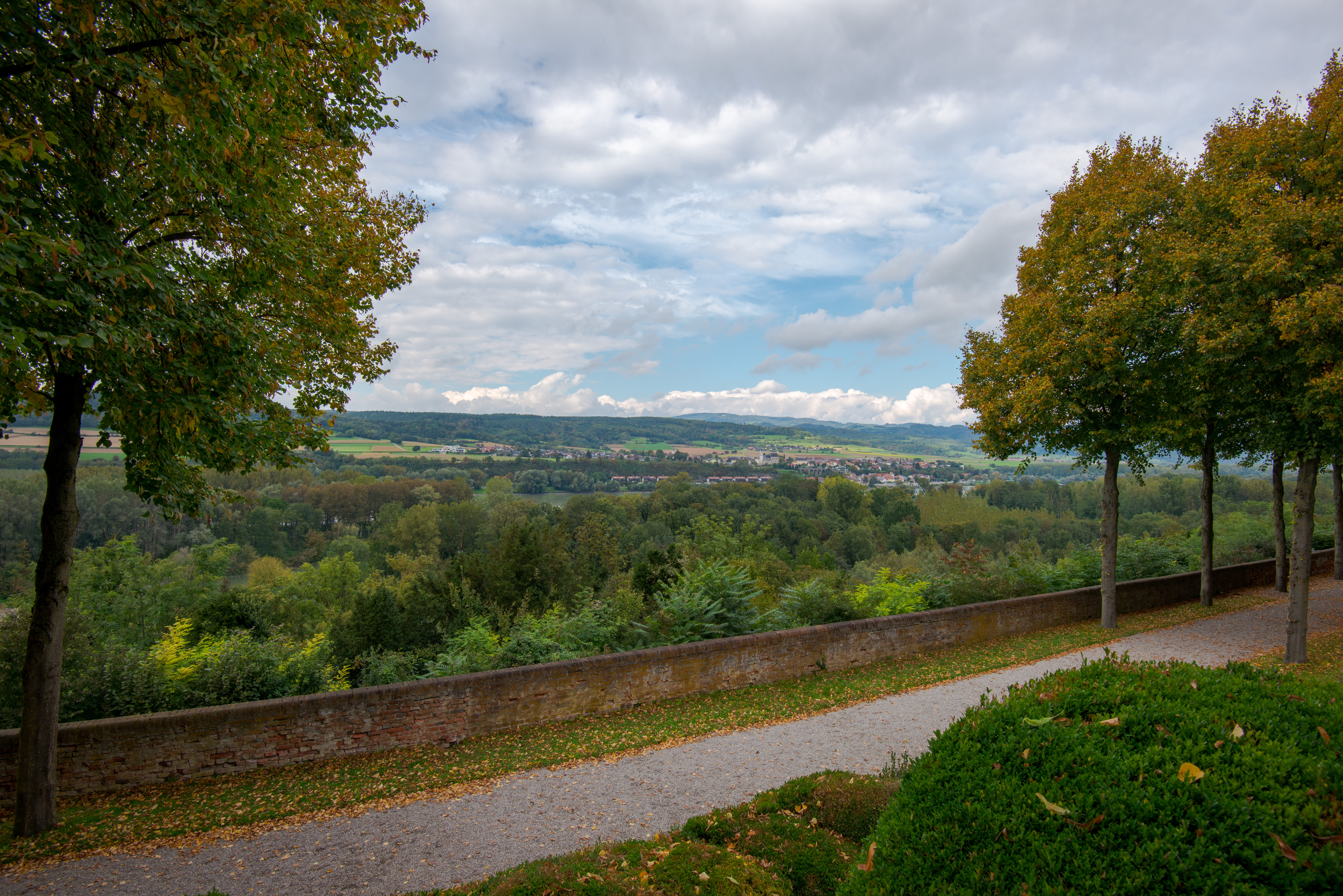
Danube River from the terrace behind the pavillion

Leave a comment